New cafés rarely announce themselves with a parade. A chalkboard appears, a second grinder shows up on the counter, someone starts writing the producer's name under the espresso. Six months later you're asking about washed versus natural without quite remembering how you got there. That's how this industry moves: small decisions at the bar, absorbed one cup at a time. This season's openings, competition results and menu changes are worth a look because they tend to predict what your local counter will be doing next. Here is the short version, and what it means when you order.
Smaller Rooms, Sharper Menus
The cafés opening now are often smaller than the ones that closed. Where a few years ago a new shop meant a fifty-seat room with a full kitchen, this season's typical opening is a narrow counter, a bench by the window, and a menu that fits on one board. Rent drives some of that, labour drives more of it. The upside for drinkers is focus: fewer things on the bar means the espresso gets dialled more often and the filter is brewed to order rather than sitting in a pot.
Watch for three recurring shapes. The roaster-led bar, where the coffee is roasted in the same building and the menu reads like a tasting note. The bakery that hires a coffee person rather than the other way round, which usually means a short espresso list and excellent milk drinks. And the suburban or small-town opening, often run by someone who left a city bar to do their own thing, which is where you'll find the most generous hospitality right now.
One practical note: opening weeks are messy but interesting. Menus are short, staff are calibrating, and the owner is usually on the floor and happy to talk. Go early, order the filter, and ask what they're excited about. You'll learn more in ten minutes than from a month of social posts.
The Competition Season, Explained Without Jargon
The barista competition circuit has moved through its national rounds and into the world events, and the ripples reach ordinary cafés faster than people expect. You don't need to follow the brackets to benefit, but knowing what the events reward tells you where the craft is heading.
What the main formats test
- Barista championship: espresso, a milk beverage and a signature drink, all scored on taste balance and clarity — and on how well the competitor explains the coffee. Judges reward a clean, sweet, well-described shot over a flashy one.
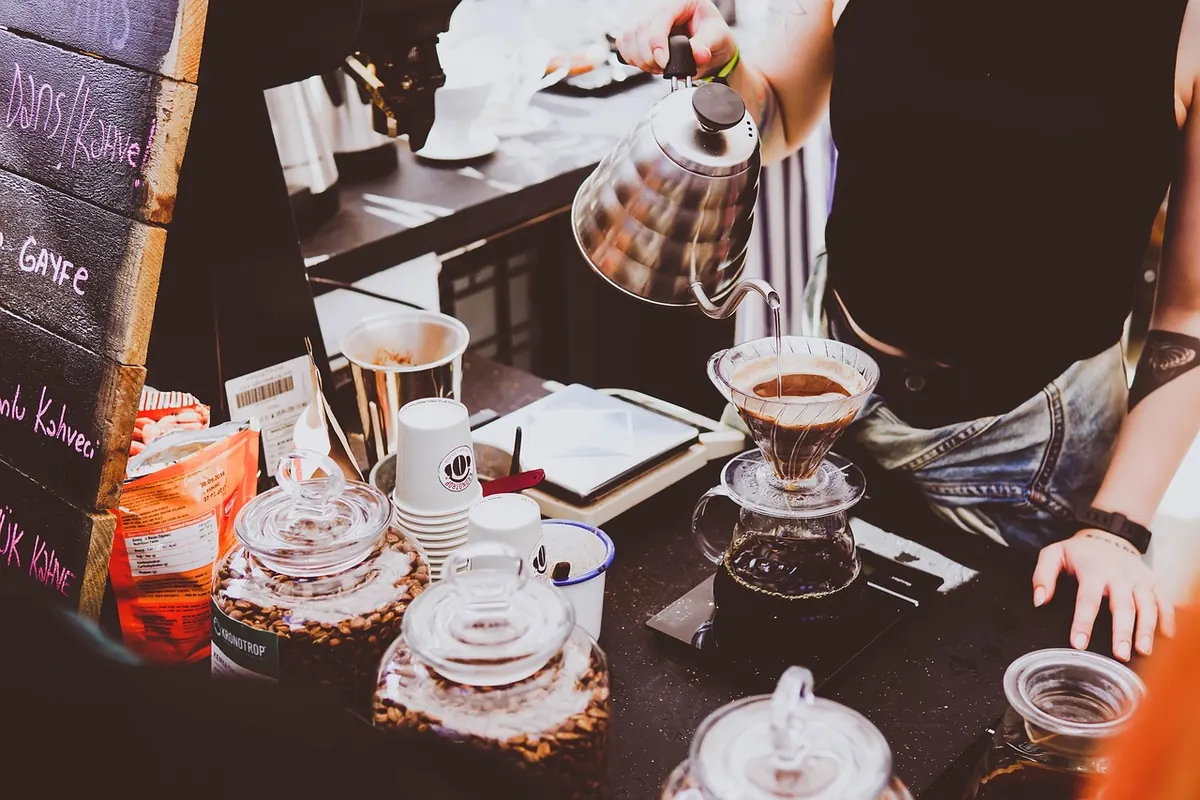
- Brewers Cup: manual brewing, usually a single-origin, judged on the same terms. This is why you're seeing more filter options and more careful water on bar.
- Latte art and cup tasters: technique and palate, run at speed. Fun to watch, and a decent reminder that consistency is a skill, not a personality trait.
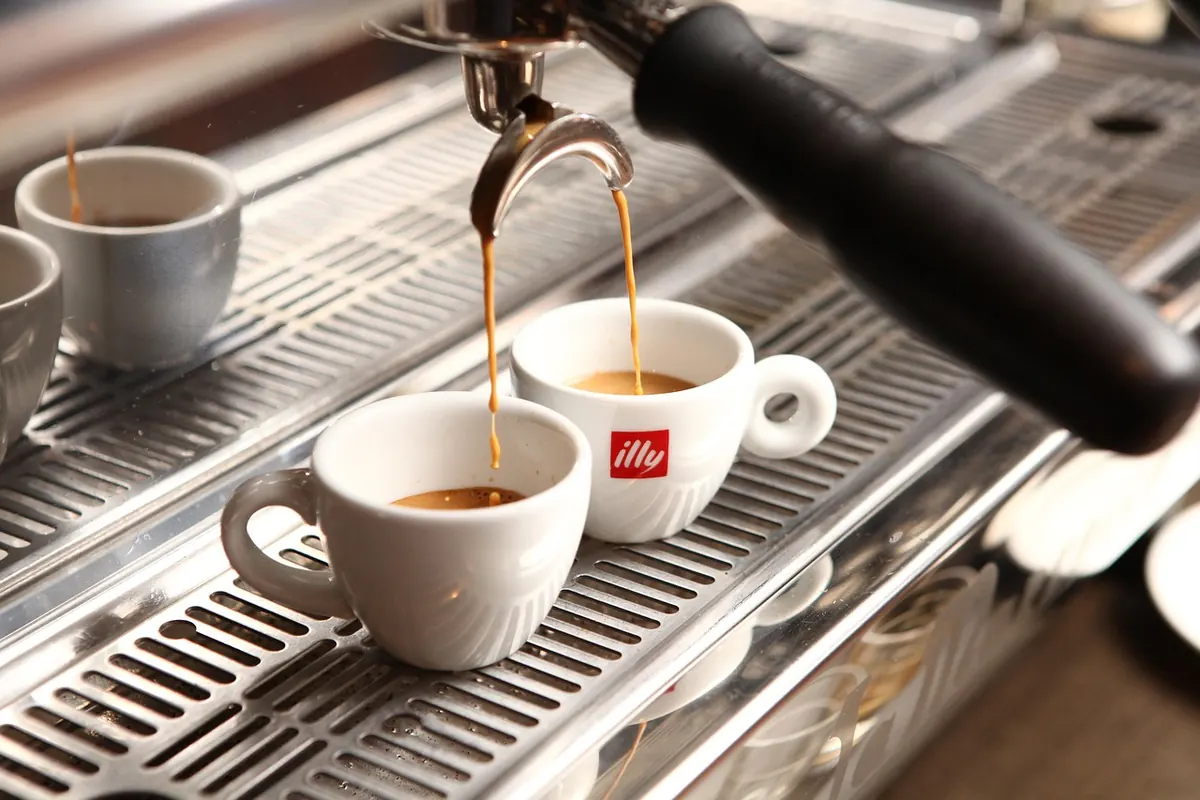
Two things tend to leak from competitions into real cafés. The first is the signature drink, which reappears as a seasonal special, sometimes stripped of the theatrics and better for it. The second is a change in how espresso is pulled: slightly longer ratios, lighter roasts, less char. If your local shot suddenly tastes more like fruit and less like toast, there's a decent chance someone on that bar has been watching the circuit.
Five Trends You Can Actually Taste
Plenty of what gets called a trend never leaves the trade show. These five have made it to the counter.
- Filter coffee in espresso bars. Batch brew is being replaced by hand-poured single cups, sometimes from a small menu of two or three coffees. Ask which one is drinking best today; staff know.
- Longer, gentler espresso. Less coffee in the basket, more water through it, a finer grind. The result is a thinner but sweeter shot that works better with milk alternatives and doesn't punish you at 4pm.
- Better barista milks. Oat and soy have stopped being an apologetic substitution. Brands formulated for steaming have narrowed the gap with dairy, and many bars now keep two options rather than one sad carton.
- Decaf taken seriously. Sugarcane, water-process and other methods are producing decaf that tastes like coffee rather than cardboard. It's increasingly a named single origin on the menu, not a hidden bag.
- Guest coffees and rotating roasters. One grinder for the house blend, one for whoever's visiting this month. It's the cheapest way to taste widely without buying four bags of beans.
Reading a Menu Like a Regular
A menu tells you more than a paragraph of branding. If the board names the producer, the region and the process, the bar is proud of the coffee and probably roast-dates its bags. If it says only "house blend", that's fine too, but expect a more traditional, chocolate-leaning cup. The absence of information is information.
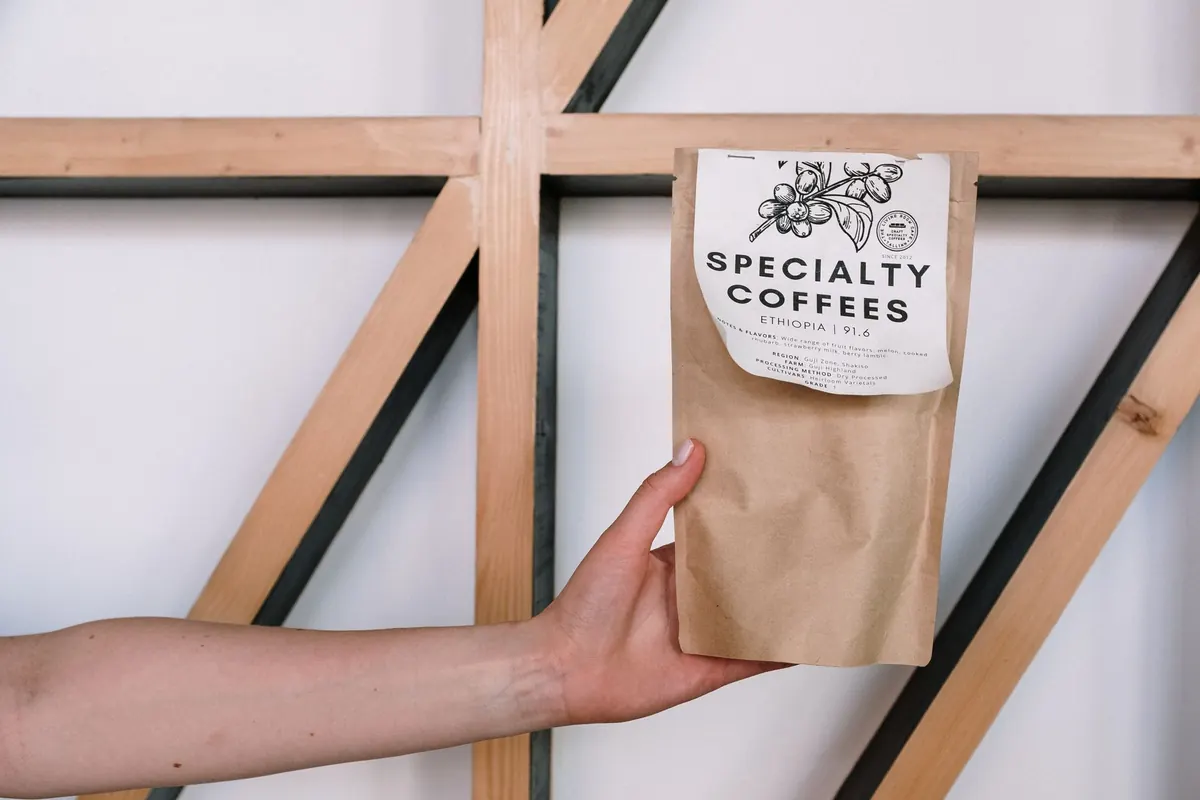
Look at how many grinders there are, whether decaf is listed by name, and whether the milk alternatives cost extra. Those three details usually separate a café that has thought about its drinks from one that has thought about its Instagram. And check the retail shelf: a bag with a roast date in the last few weeks is a better buy than a beautiful bag with no date at all. Whole beans, sealed, kept out of sunlight, used within a month or so of roasting, will beat almost anything pre-ground.
If the bar is quiet, ask what's tasting good. This is not a trick question and no one minds. A good barista will steer you toward the coffee they're happiest with that day, which is often not the most expensive one on the list.
The Caffeine Question
Lighter roasts and longer ratios don't automatically mean less caffeine, and decaf still contains a small amount. If you're sensitive, pregnant, or managing a health condition, treat the caffeine content of any given cup as unknown rather than mild, and ask a medical professional rather than the barista — they can't know your circumstances, and the numbers vary too much between coffees to guess.
What to Order This Week
- Find one newly opened café within walking distance and go at an off-peak hour. Order the filter, not the latte.
- Ask which coffee the bar is most pleased with right now, then order it as espresso so you taste it without milk in the way.
- Try the decaf once, on purpose. It's the most improved drink in coffee and the least ordered.
- Buy a bag with a visible roast date and ask them to grind it for the method you actually use at home — or buy whole beans and grind fresh if you can.
- Keep a note of what you liked: origin, process, roaster. Two lines on your phone is enough, and it turns a nice cup into a preference you can repeat.
None of this requires spending more. It requires ordering differently, once or twice, and paying attention to what comes back in the cup. The season's changes are already on the bar; the only thing left is to taste them.
Photo: StockSnap / Pixabay