Fresh coffee does not announce itself with a label. It shows up in the bag: a sweet, roasted smell when you open the seal, beans that feel dense and look evenly colored, and a cup that tastes lively rather than merely strong. Stale coffee is not dangerous, and it will still wake you up, but it loses the layers that make a bag worth seeking out. The good news is that most staleness comes from a handful of habits, and they are easy to change.
The roast date is the first clue
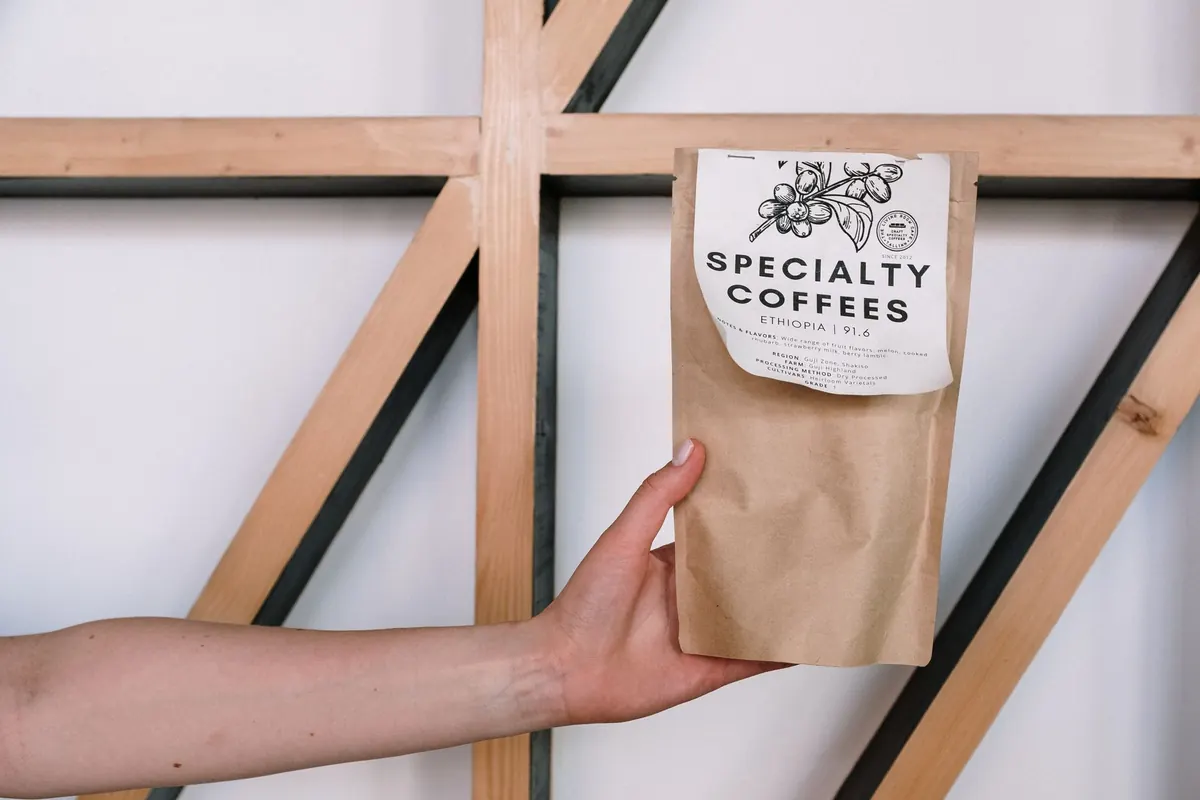
A “best before” date tells you when a sealed bag is past its prime. A roast date tells you how old the coffee actually is. Look for the roast date on the back or bottom of the bag, not just a vague batch code. If a bag has no roast date, buy from a roaster who prints one, or ask at the counter. Coffee is a fresh food, not a pantry staple.
Whole beans are usually at their most expressive in the first few weeks after roasting. The exact window depends on the roast, the bean, and how it is packed, but a practical rule is simple: buy what you will drink in two to four weeks. A dark roast may soften sooner; a light roast may need a few days to settle after roasting. Either way, a bag roasted six months ago is unlikely to taste like the same coffee fresh.
When you open a new bag, note the date with a marker on the container or bag. That one small habit turns “I think this is old” into “this was roasted on the twelfth, so it is eleven days old.”
The smell is flat, papery, or simply absent
Fresh beans smell like more than coffee. Open the bag and you should get roasted sweetness, maybe cocoa, nuts, citrus, or dried fruit, depending on the coffee. Stale beans often smell dusty, papery, or vaguely like the inside of a cupboard. Sometimes there is no smell at all until you grind, and even then it fades quickly.
Look at the beans in daylight. Fresh beans have a consistent surface and a slight sheen, especially darker roasts. Very old beans can look faded, dry, and chalky, with uneven color or a powdery surface. A few lighter or darker beans are normal in many roasts; a whole bag that looks dull and dusty is a warning.
Do not judge by crema alone. A dark, robusta-heavy blend can produce a thick foam even when it is not especially fresh, and some light roasts produce less crema. Smell and taste are better guides.
They feel light and sound dull in the bag
Fresh roasted beans contain gases from roasting, and they lose them over time. Pick up a bean and press it between your fingers. It should feel firm and dense, not weightless or brittle. Shake the bag gently. Fresh beans make a brighter, sharper rustle; very old beans can sound dull, like dried peas in a jar.
This is not a laboratory test. It is a quick check you can do at home. If the beans feel light, look faded, and smell weak, they are probably past their best. Use them for a cold brew or a strong milk drink if you do not want to waste them, but do not expect the same clarity in a filter cup.
The grind clumps, sprays, or flows too fast
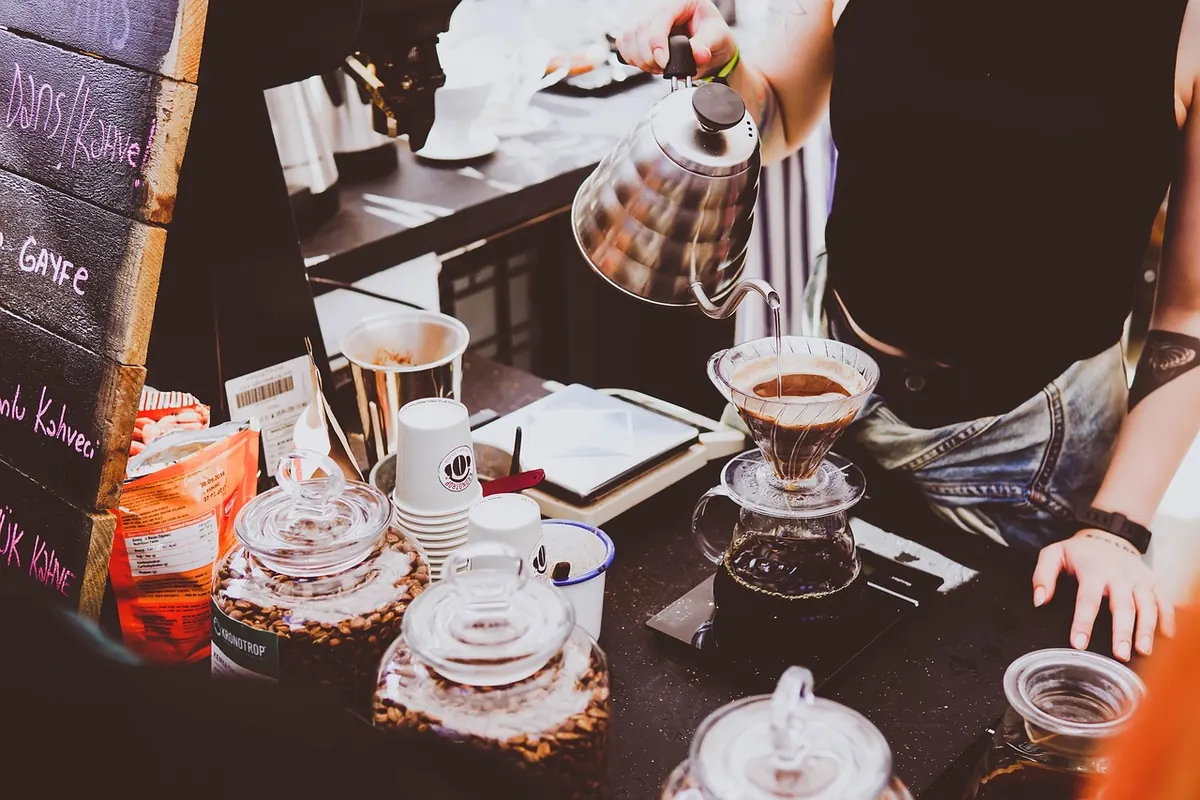
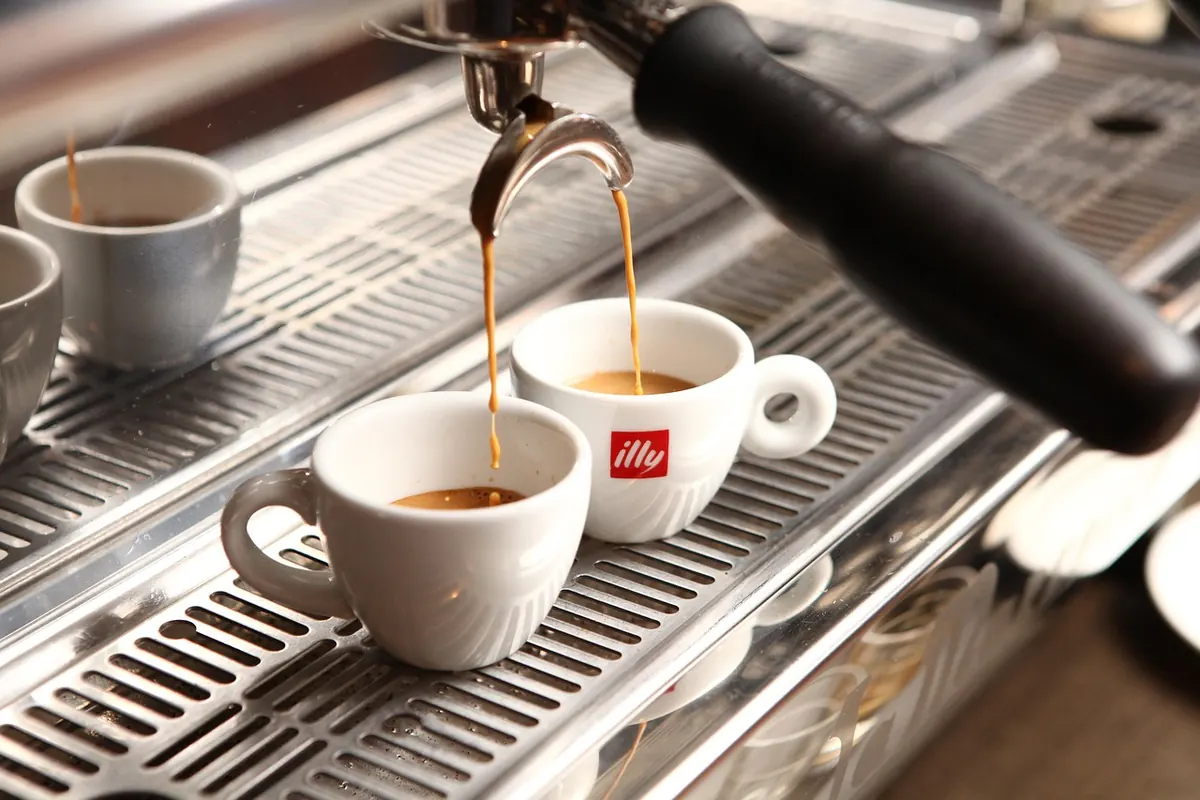
Stale beans behave differently in the grinder. They can shatter into more fines, cling together, or produce a grind that looks uneven. In an espresso machine, old coffee may spray, channel, or pull much faster than the same setting did a week earlier. In a pour-over, the water may run through like tea rather than settle into a slow, even bed.
Those changes are not only about freshness, of course. Grind setting, dose, water, and basket prep all matter. But if the same beans, same recipe, and same grinder suddenly behave differently, age is a likely factor. Adjusting the grind can rescue a cup, yet it cannot bring back aroma that has already gone.
The cup tastes flat, papery, or sharply bitter
The final sign is in the cup. Fresh coffee tastes alive: sweet, aromatic, with acidity that feels balanced rather than sharp. Stale coffee often tastes flat and papery, like weak tea with a roasted edge. It may also turn sharply bitter or hollow, especially if you brew it stronger to compensate for the missing flavor. The finish can be dusty or dry.
Try a small side-by-side test if you are unsure. Brew a cup with the older beans and a cup with a fresher bag, using the same method and ratio. Let both cool for a few minutes. Aroma and sweetness show up clearly at warm room temperature. If the older cup tastes like a dull outline of the fresher one, you have your answer.
A simple storage routine that protects aroma
Storage is mostly about removing the four things that speed up staleness: oxygen, light, heat, and moisture. You do not need a shelf of equipment. You need a container that seals well, a cool dark place, and a habit of buying a little less coffee more often.
Choose the right container
- Use an airtight, opaque container with a tight gasket, or keep the beans in the original bag if it has a one-way valve and can be folded closed securely.
- Avoid clear glass jars on a sunny counter. Light breaks down the oils that carry aroma.
- Skip the fridge. It introduces moisture and food odors every time you open the door.
- If you freeze beans for long-term storage, use a small airtight bag or jar, press out the air, and let the beans come to room temperature before opening. Do not thaw and refreeze the same bag repeatedly.
Build a two-minute routine
- Buy whole beans in amounts you will finish in two to four weeks.
- Keep a small amount for daily use in an airtight container in a cool, dark cupboard.
- Grind just before brewing. Ground coffee loses aroma much faster because more surface is exposed.
- Close the container fully after every scoop, and keep it away from the stove, kettle, and dishwasher.
- Write the roast date on the container and check it before you brew. Rotate older beans to the front.
If you use a clear hopper on a grinder, fill it for the day rather than the week. The same goes for a display jar: a small amount looks good, but a large amount sitting in light will fade.
Keep the routine small and repeatable
You do not need to chase perfection. Start with one change: buy a bag with a roast date and finish it before the next one arrives. Then add an airtight container, then move it away from the light. Those small moves protect the sweetness and aroma that made you choose the coffee in the first place. When a bag starts to smell flat or taste papery, trust the cup. Finish it in a milk drink, cold brew, or baking, and make the next bag a fresher one.
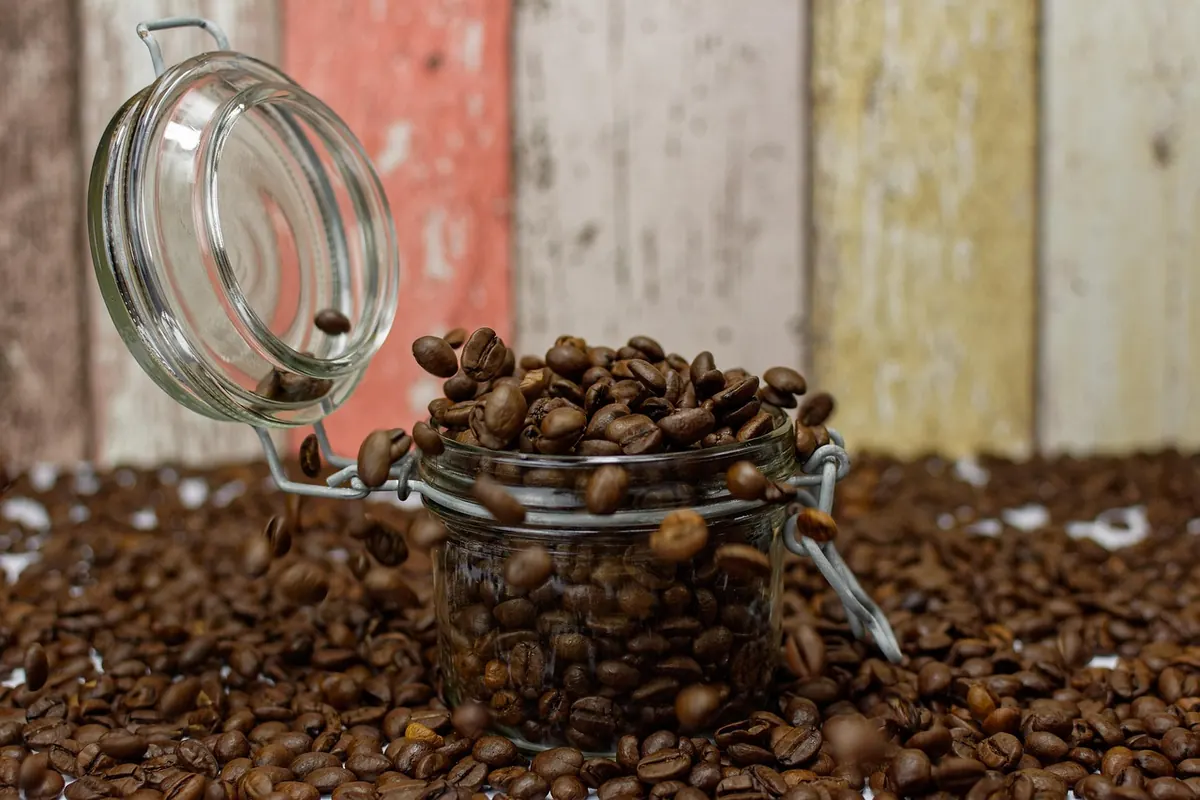
Photo: fotoblend / Pixabay