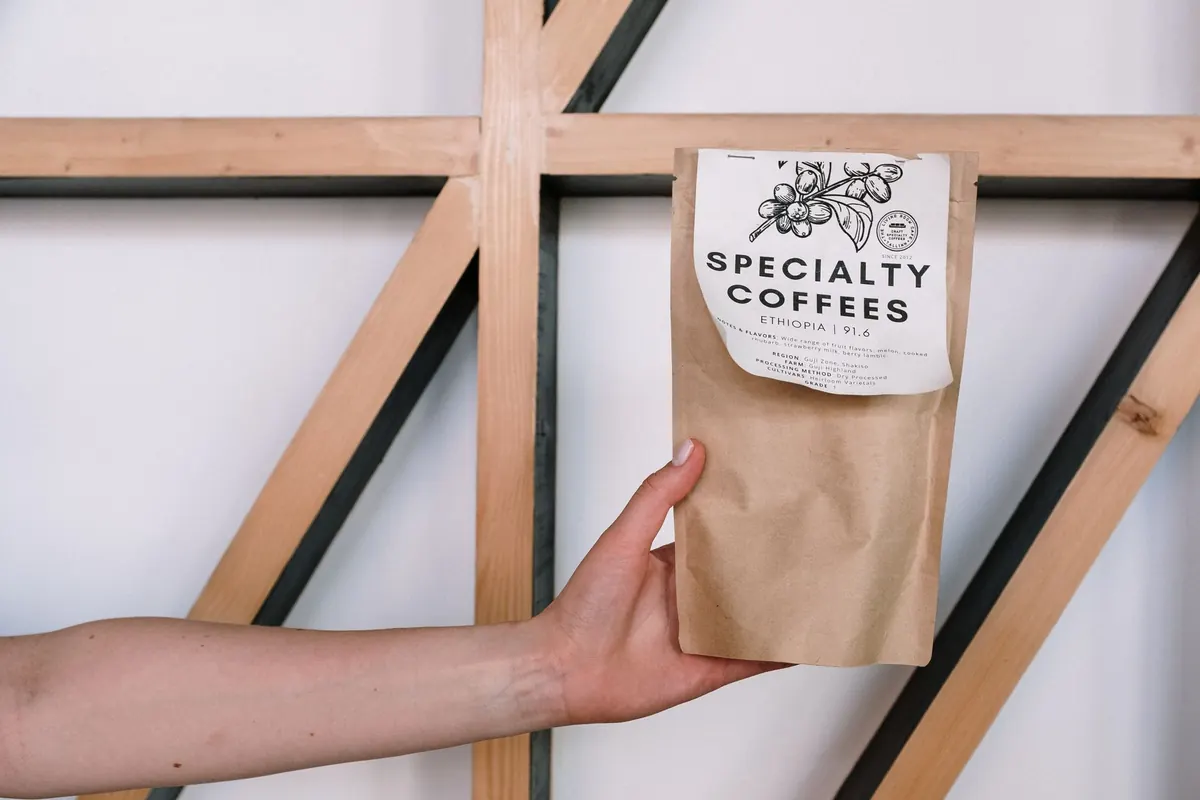
Two bags from the same farm sit on the counter. One is pale and matte; the other is glossy and nearly black. Same origin, same producer, similar price. The cups they produce will taste like they came from different countries. Roast level is the variable most likely to decide whether you enjoy a coffee — more than origin, more than processing, more than the brewer on your shelf. It also decides whether your usual recipe will work at all.
The Roast Curve, in Plain Terms
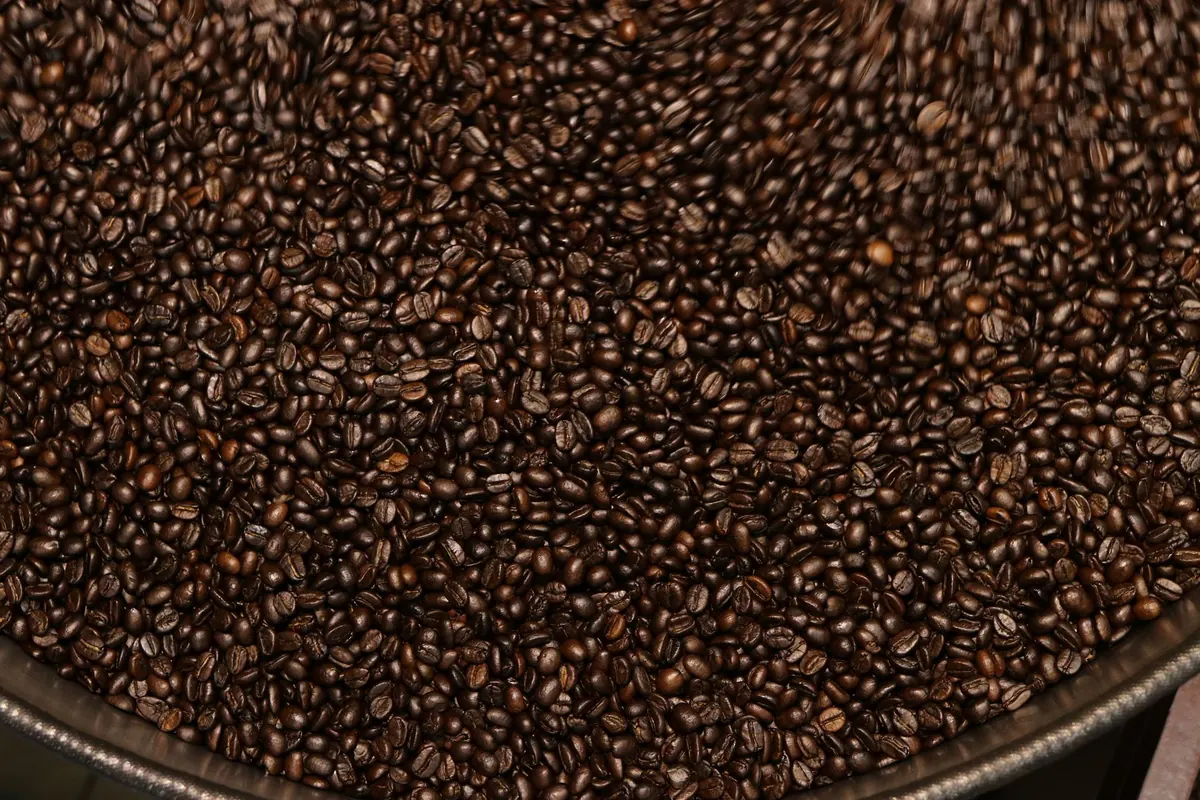
Green coffee is dense, grassy, and loaded with sugars and acids. Heat drives off moisture, sets off Maillard reactions between amino acids and sugars, then caramelization, then pyrolysis as the roast darkens. A light roast is pulled early, while the bean is still dense and its acids are intact. A dark roast keeps going: more sugar is burned off or converted into bitter compounds, the cell structure turns porous and brittle, and the cup fills with roast flavors — dark chocolate, molasses, smoke, sometimes ash.
Two consequences matter at the counter. First, roast flavor increasingly masks origin. A dark-roasted Kenyan and a dark-roasted Brazilian drift toward each other. Second, density changes how the bean brews. Light beans are dense and hold onto their solubles; dark beans are porous, extract quickly, and can turn harsh in seconds.
Sweetness: Where It Comes From and Where It Goes
Sweetness is the trickiest attribute to describe because it changes character, not just quantity. In a light roast, sweetness reads as fruit — berry, citrus zest, stone fruit — because the acids are still there and the sugars have barely begun to brown. If the roast is underdeveloped, that same impression turns sour and vegetal, like green tomato or raw peanut.
Move into medium territory and the sugars caramelize. Now you get brown sugar, honey, toasted almond. For many palates this is the sweetest window: the sharp edges have softened, and there are still enough Maillard compounds to give the cup weight.
Past medium-dark, sweetness declines. Bitter and smoky notes move to the front, and what sweetness remains is more of a memory — bittersweet, like very dark chocolate or caramel taken too far. That is not a flaw, just a different drink. What is a flaw is an ashy dark roast or a papery, sour light roast. Both usually signal a rushed or uneven roast rather than the roast level itself.
Acidity, Bitterness, and Body
Acidity falls as the roast darkens, which is why people with sensitive stomachs often gravitate toward darker beans. Some acid compounds also convert into lactones during a long roast, and those read as bitterness rather than brightness. Body follows a less obvious path. A light roast can feel tea-like and thin, or juicy and silky if it is well developed. Medium roasts feel round. Dark roasts feel syrupy and heavy, but they can also finish drying and astringent.
A useful calibration: if a coffee tastes sharp and watery, like lemon in hot water, it needs more extraction or a slightly darker roast. If it tastes flat and ashy, it is over-extracted or over-roasted. Learning to tell those two apart saves a lot of beans.
Matching Roast Level to Brew Method
The faster and more turbulent the brew, the more forgiving it is. Slow, gentle methods show roast flaws clearly.
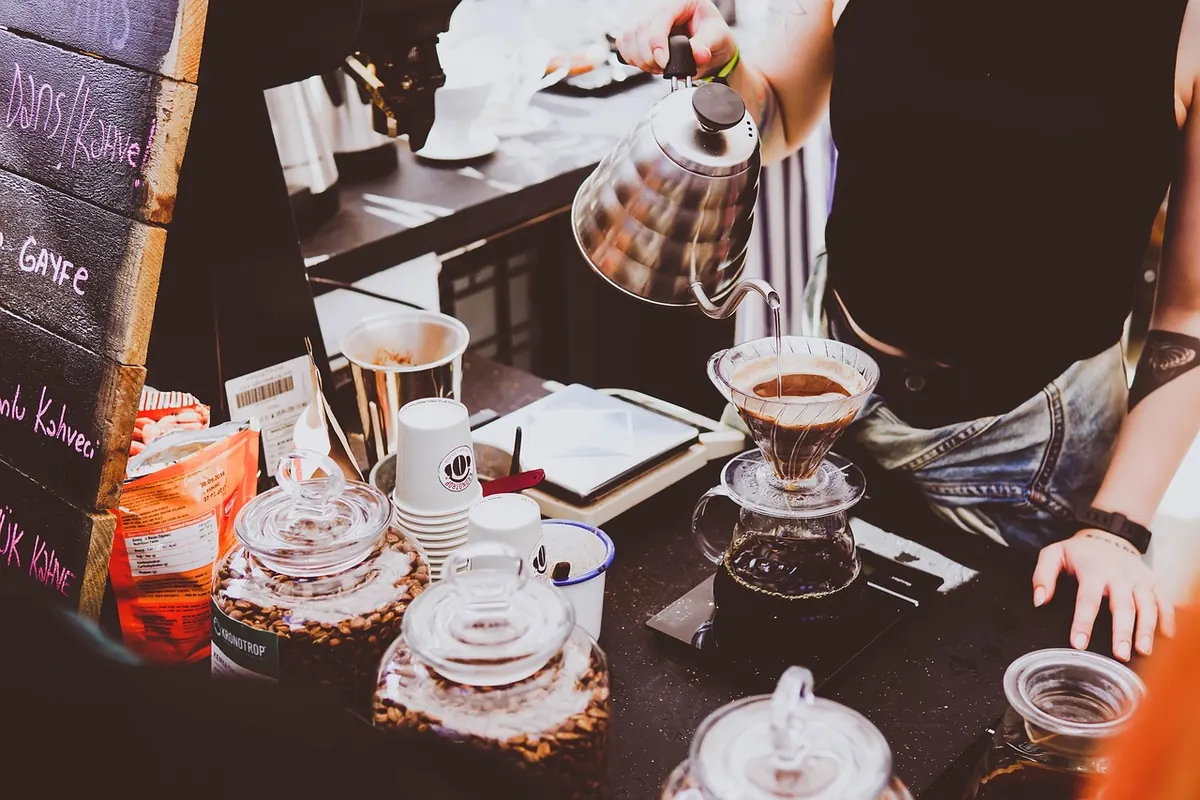
- Pour-over and filter: light to medium-light. A bloom and slow pours flatter fruit acids and clarity. Dark roasts often turn muddy here, though a medium-dark works fine in a flat-bed brewer.
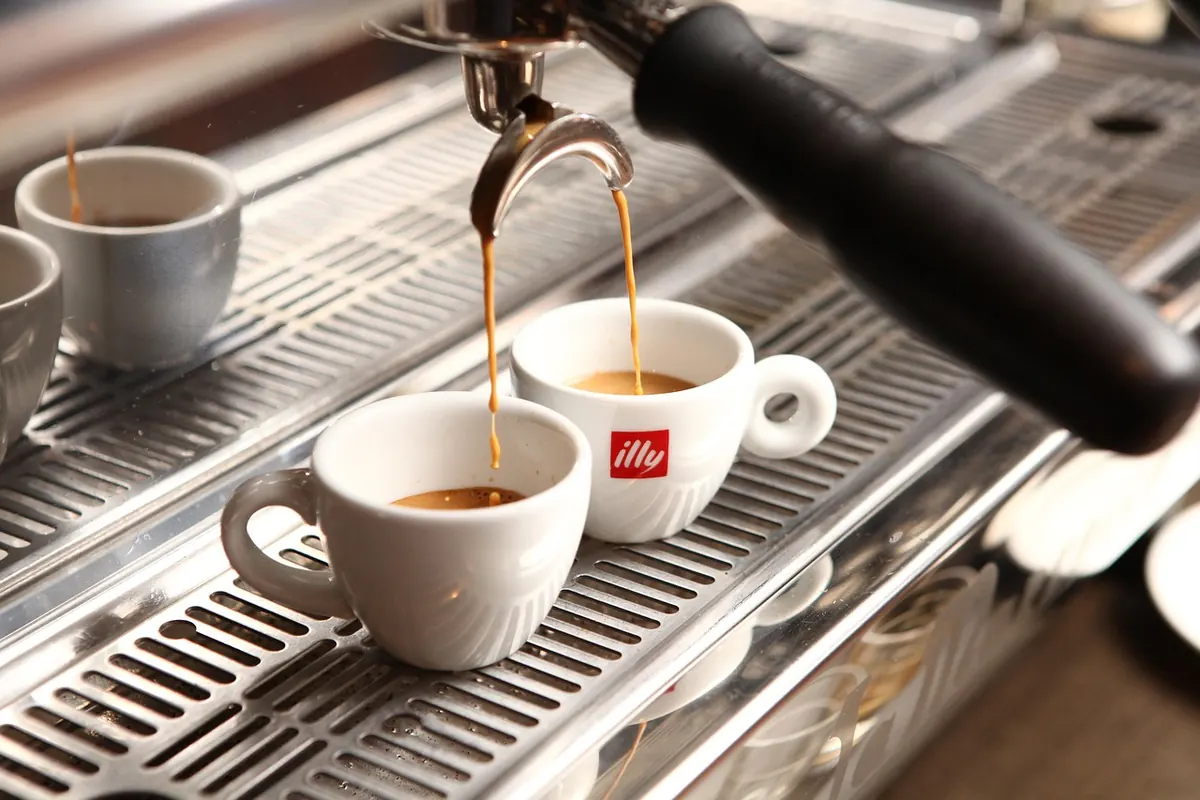
- Espresso: medium to medium-dark is the traditional sweet spot, because pressure and short contact need plenty of soluble material. Light roasts make excellent espresso, but they demand a finer grind, a longer ratio, hotter water, and patience — a classic 1:2 in 25 seconds will usually taste sour.
- Moka pot: medium to medium-dark. The moka brews hot and builds pressure, so very light roasts taste underdeveloped and very dark ones turn harsh.
- French press and immersion: medium and medium-dark suit the fuller texture. Light roasts can be lovely, but steep coarse and long, and drink it before it cools too far — immersion light roasts sour quickly as the temperature drops.
- Cold brew: medium works best. Dark roasts flatten into generic roastiness, and light roasts can taste thin and tea-like at typical concentrate strength.
One more factor: if you drink coffee with milk, medium-dark and dark roasts hold their flavor. Delicate floral light roasts disappear under a splash of milk, however good they are black.
Ratios, Grind, and Water Temperature
Because light roasts are denser and less soluble, they need more energy: hotter water, a finer grind, longer contact, and gentler agitation. Dark roasts are soluble and fragile, so they want cooler water, a coarser grind, and a shorter brew. These are starting points, not rules — adjust one variable at a time.
- Filter, light roast: 1:16, water at 94–96°C, medium-fine grind.
- Filter, dark roast: 1:16 to 1:17, water at 90–92°C, medium grind, faster drawdown.
- Espresso, light roast: 1:2.5 to 1:3, 94–96°C, finer grind, shot running 30–35 seconds.
- Espresso, dark roast: 1:1.8 to 1:2, 90–93°C, coarser grind, 22–28 seconds.
- Immersion, light roast: 1:15, coarse grind, about five minutes.
- Immersion, dark roast: 1:16, coarse grind, about four minutes.
Weigh your coffee and water; scoops hide the differences that matter here. Buy whole bean and grind just before brewing. Rest matters too: light roasts often need a week or more after the roast date to settle, while dark roasts are usually ready within a few days and fade faster because their porous structure gives up aromatics quickly. Caffeine, incidentally, is largely set by the green bean, so don't choose a roast level for its caffeine content.
How to Test the Difference at Home
You can settle the question for your own palate in one weekend. Find a roaster selling the same coffee at two roast levels, or buy two bags of the same origin roasted differently.
- Brew both identically first — same ratio, grind, water, and temperature. This shows you the raw gap between them.
- Then tune each one to its best settings using the ratios above. That comparison tells you which you actually prefer, not which is easier to brew.
- Taste at three temperatures: hot, warm, and cool. Acidity shows up more as the cup cools, and bitterness lingers on the finish.
- Score simply: sweet, sour, bitter; thin or heavy; short or long finish. Vague notes are fine. Consistency is what counts.
- Repeat with a second brew method before you decide. A bean that disappoints in a pour-over can be excellent in a moka pot.
Buying With Your Method in Mind
Pick the roast for the brewer, then the origin for the flavor. If you mostly drink filter, lean light and buy small bags so you can finish them while they are still lively. If espresso or milk drinks are your daily habit, medium-dark is the safer, more forgiving choice. Ask for the roast date, store the beans cool and sealed, and buy again from the same lot before you decide a roast level isn't for you.
Roast level is a preference, not a ranking. The useful question is never which is better, but which one your grinder, your water, and your morning actually reward.
Photo: Eren Barış Dursun / Pexels