Espresso dialing has a reputation problem. It sounds like something that requires a lab coat, a scale accurate to the milligram, and twenty minutes of silence. In practice, most of the work happens in the first three shots. The rest is paying attention. If your grinder is in decent shape, your beans are fresh, and your machine is properly heated, you can go from "this is sour" to "that's the one" in about ten minutes — provided you know what to change and, just as important, what to leave alone.
Set a Baseline Before You Touch the Grind
Three numbers decide what ends up in your cup: dose (dry coffee in), yield (liquid out), and grind. Shot time is the result, not the input. So before you start twisting the collar, lock two of those numbers down.
Pick a dose your basket actually likes. A standard double basket usually holds somewhere between 16 and 18 grams comfortably; if the puck touches the shower screen or the basket is rated for less, you will fight channeling all morning. Weigh it every time — a cheap scale beats a good guess. Then pick a yield. A 1:2 ratio is the sensible starting point: 18 grams in, 36 grams out. It is not sacred, but it gives you a reference point you can reason about.
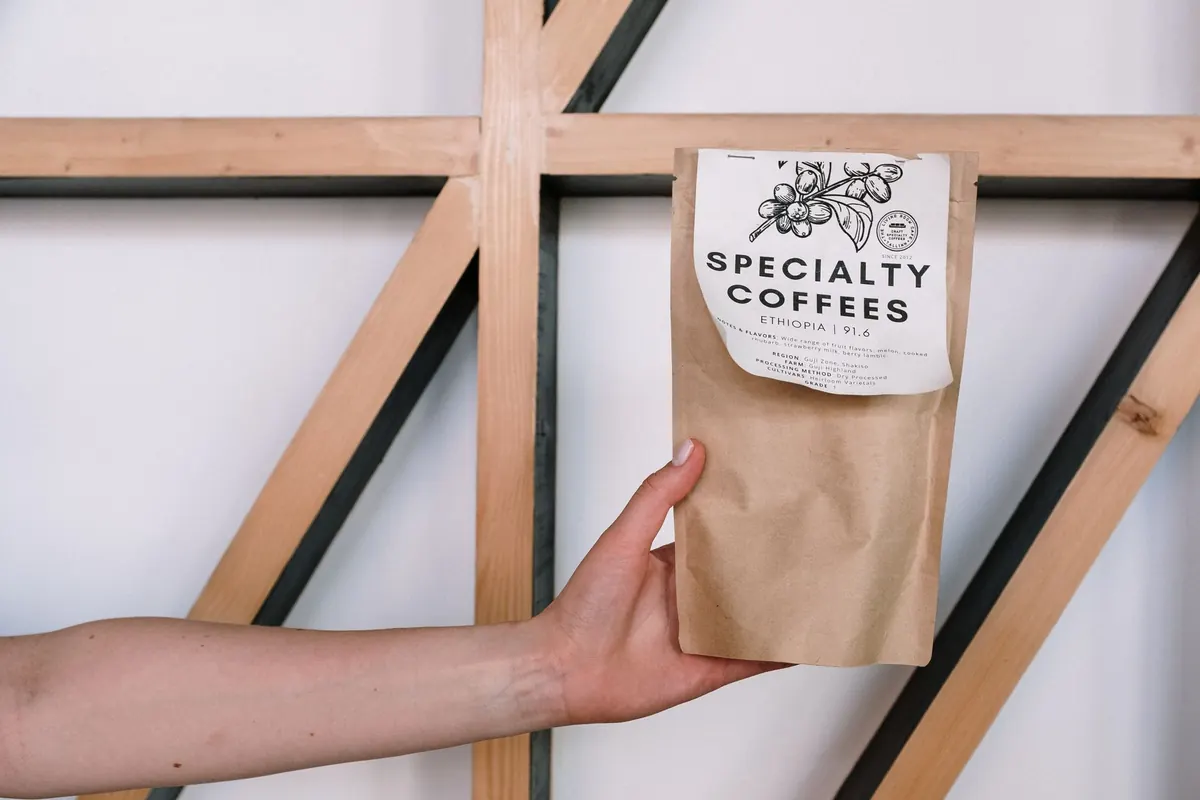
Two more housekeeping items. Let the machine heat for at least fifteen minutes, portafilter in the group, so the first shot is not a cold outlier. And use beans that have rested a few days off roast but are not months old. No grinder setting can rescue coffee that has gone flat.
The Ten-Minute Sequence
Work through this in order and resist the urge to skip ahead. Each shot gives you one piece of information, and you only get to change one thing at a time.
- Warm up and weigh. Machine on, cup under the spout, dose on the scale. Note the number.
- Start mid-range. Set the grinder to the middle of its espresso range, not the finest setting. You want room to move in both directions.
- Grind, purge, grind again. The first few grams after a big adjustment are old grounds sitting in the chute. Throw them away, then grind your dose.
- Prepare the puck. Break up clumps, level the bed, tamp straight and firm. Inconsistent prep will masquerade as a grind problem all day.
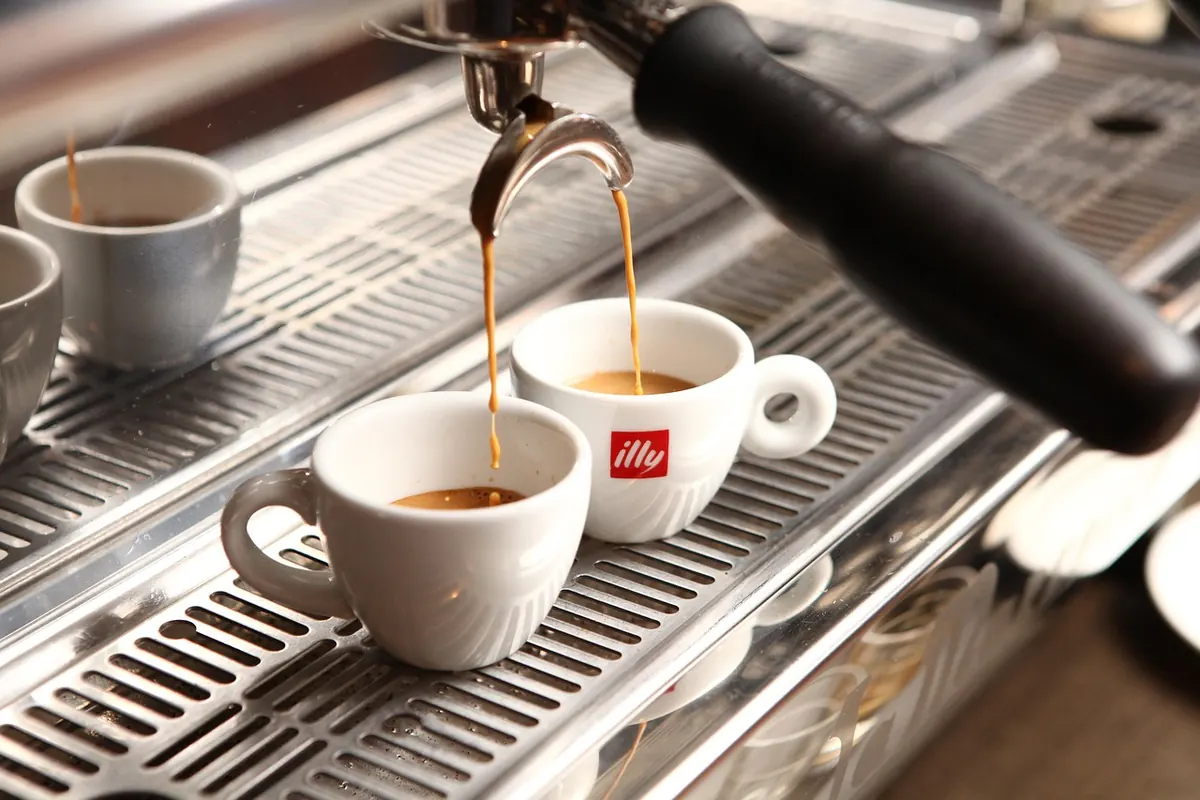
- Pull onto a scale. Start the timer with the pump, watch the yield, and stop the shot at your target weight rather than at a fixed time.
- Taste and record. Note the time it took to reach that yield, and write down what you tasted in one or two words.
- Adjust one variable. Grind only. Repeat until the shot tastes balanced.
Three or four iterations usually gets you close. If you find yourself on shot nine with no progress, stop, pour a glass of water, and reread the section below on channeling.
Read the Shot With Your Mouth, Not Just the Clock
A 27-second shot can be delicious or dreadful. Time tells you something changed; taste tells you what to do about it.
Sour, sharp, thin, salty — that is under-extraction. The water moved through the puck too quickly to pull out the sweetness. Think of the acidic edge you get from a lemon squeezed over nothing. The fix is a finer grind.
Bitter, drying, ashy, hollow — over-extraction. Too much has been pulled out, and the finish coats your tongue like it wants to stay there. The fix is a coarser grind.
Sour and bitter at once — this is usually uneven extraction, not a simple over- or under-shot. Some of the puck ran fast, some ran slow. Check your distribution before you touch the grinder again.
Pay attention to where the flavour sits too. A shot that starts sweet and fades to a dry, papery finish is closer to right than one that is sour from the first sip to the last.
Make Grind Changes That Actually Change Something
The most common dialing mistake is nudging the grinder by a hair when the shot was forty seconds off, then nudging it again, then again — burning six shots to travel the distance one real adjustment would have covered.
Match the size of the change to the size of the error. If the shot gushed out in fourteen seconds, you need a substantial step finer. If it ran thirty-two seconds and tasted just slightly bitter, a small tweak will do. On a stepless grinder that means a deliberate fraction of a turn; on a stepped grinder, one or two clicks. Always purge a couple of grams after adjusting so you are tasting the new setting, not the ghost of the old one.
Keep dose and yield fixed while you do this. The moment you change two things, you lose the ability to know which one helped.
When Grind Alone Won't Fix It
If you have moved the grind through a wide range and the shot still misbehaves, the problem lives somewhere else.
Puck preparation
Channeling — water finding a weak spot and racing through it — produces shots that are simultaneously sour and bitter, blond at five seconds and dark by twenty. Stir the grounds with a needle tool, level the surface, and tamp flat. A slightly uneven tamp is less damaging than a badly clumpy bed.
Bean age
Very fresh coffee releases a lot of gas and can run fast and taste sharp no matter what you do. Very old coffee pours like water and tastes of cardboard. Somewhere in the first few weeks off roast is the friendly window. If a bag suddenly needs a much finer setting than it did last week, age is a likely suspect.
Dose and basket
Adding half a gram slows a shot, but it also changes the depth of the bed. Stay within what the basket is designed for and solve the timing with the grinder instead.
Water and temperature
Very hard water mutes flavours; very soft water can make coffee taste hollow and sour. If your machine has a temperature control, a few degrees can nudge a shot from thin to round, but get the grind right first.
A Two-Minute Field Guide
- Shot runs under 20 seconds, tastes sour: grind finer.
- Shot runs past 35 seconds, tastes bitter: grind coarser.
- Shot times are wildly inconsistent between pulls: fix distribution and check for clumps before adjusting grind.
- Shot looks pale and blond almost immediately: grind finer, and check bean freshness.
- Shot chokes the machine, barely a drip: grind coarser in a big step, and confirm you did not overdosed the basket.
- Shot tastes fine but thin: try a slightly longer yield before changing anything else.
Stop at Good, Then Write It Down
Chasing the perfect shot past the point of enjoyment is its own kind of trap. When the espresso tastes sweet, has a clean finish, and does not make you wince, you are done. Close the grinder adjustment, pull your next shot, and enjoy it.
Then write down four things: dose, grind setting, yield, and time, plus a word about how it tasted. Two lines in a notebook is enough. Coffee changes as it ages, so tomorrow's setting will probably be a touch finer than today's, and having yesterday's numbers turns a guessing game back into a ten-minute routine. That small habit is what separates a stressful morning at the grinder from a good cup you can repeat on demand.
Photo: 11082974 / Pixabay